Concrete Repair · Since 1994

Mid-Soil Polyurethane Foam Injection, Mudjacking, or Slab Piers. Method Decided by the Void.

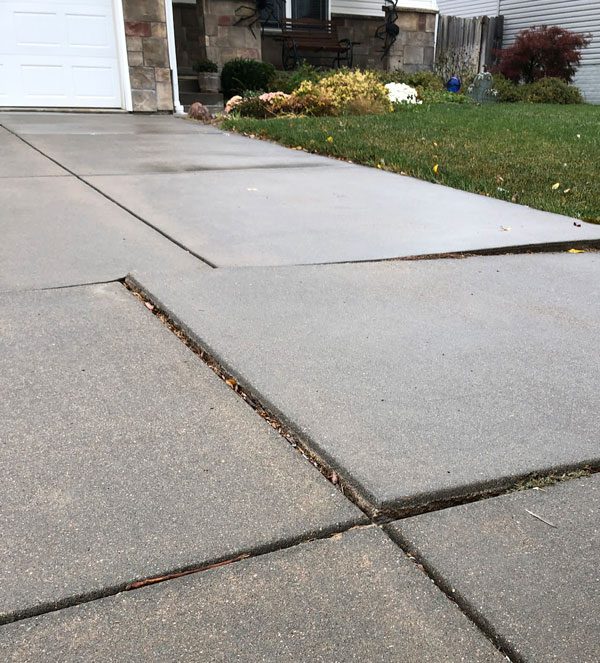
Settled exterior concrete is a soil problem before it's a concrete problem. Serving Nebraska, Iowa, Kansas, and Missouri since 1994, Epp Foundation Repair drills 5/8-inch ports, injects polyurethane foam mid-depth in the soil column to fill the void and support the slab, monitors lift with a rotary laser, and switches to mudjacking or slab piers when the void mass or structural load tells us to.

Nebraska · Iowa · Kansas · Missouri Since 1994

Let's take the first step toward a healthy home.

A local specialist will inspect your foundation, walk you through the findings, and send a clear estimate. no cost, no pressure.

Book instantly with Driive
BBB Accredited
Fully Insured
"By Your Side" Guarantee
Regional Context

Why concrete fails differently in Nebraska, Iowa, Kansas, and Missouri

Loess soils consolidate under slabs after the first deep water exposure. Expansive clay heaves and contracts seasonally. Salt damage from 60+ freeze-thaw cycles per winter accelerates surface failure. Generic concrete repair ignores the soil under the slab, which is why settled concrete returns within a season or two. Regional repair starts with the cause underneath, not the crack on top.

36 to 42"
Frost penetration depth
Eastern Nebraska average
60 to 80
Freeze-thaw cycles / year
Lincoln to Omaha corridor
35 to 40"
Annual precipitation
NE / IA service region
30+
Years of regional inspections
30,000+ homes assessed

Loess soils and the crack patterns they produce

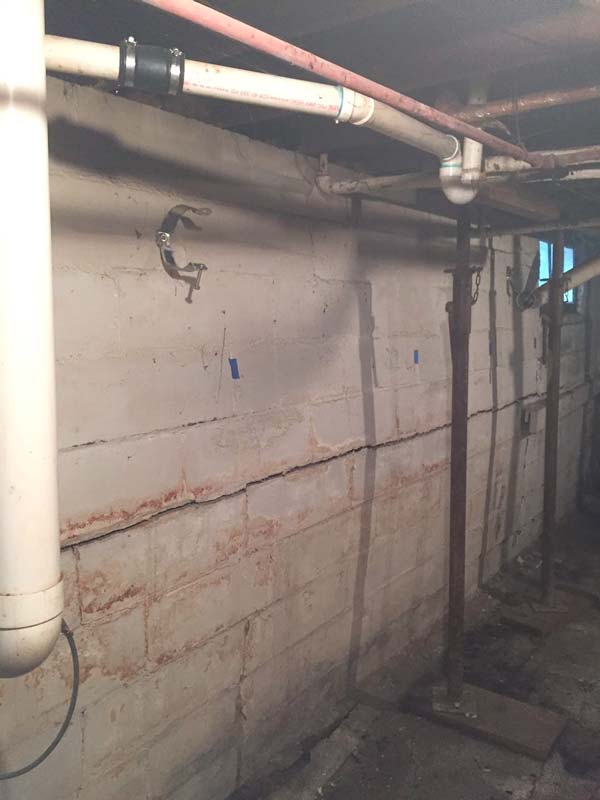
Most of eastern Nebraska and western Iowa sits on wind-deposited loess. a fine, silty soil 10 to 200+ feet deep. Loess holds its structure when dry but loses cohesion rapidly when saturated. After a wet spring, saturated loess expands against foundation walls. After a dry Nebraska summer, it contracts. pulling away from footings, creating voids beneath slabs, and producing the vertical and diagonal settlement cracks we see most frequently on the Lincoln, Omaha, Council Bluffs corridor.

The Marshall and Sharpsburg loess series. dominant across the eastern Nebraska service area. are particularly prone to this cyclical volume change. Homes built in the 1960s, 1980s on uncompacted loess backfill show the highest incidence of progressive settlement cracking in our inspection data.

Frost depth, freeze-thaw cycles, and horizontal cracking

Eastern Nebraska's 36, 42" frost penetration depth means the soil below grade freezes and thaws 60, 80 times per year. Each cycle applies lateral pressure to basement walls. A wall that holds through ten cycles can fail in the eleventh if drainage has worsened, backfill has settled, or the wall was already at capacity. Horizontal cracks near the soil grade line are almost always a freeze-thaw story in this region.

In eastern Kansas, expansive clay pockets near the surface introduce a different failure mode . consistent volume change regardless of frost depth. Horizontal cracking in Kansas foundations typically traces to clay expansion; the same pattern in Nebraska more often indicates frost-driven hydrostatic pressure.
Problem Signs

What Is Your Home Trying to Tell You?

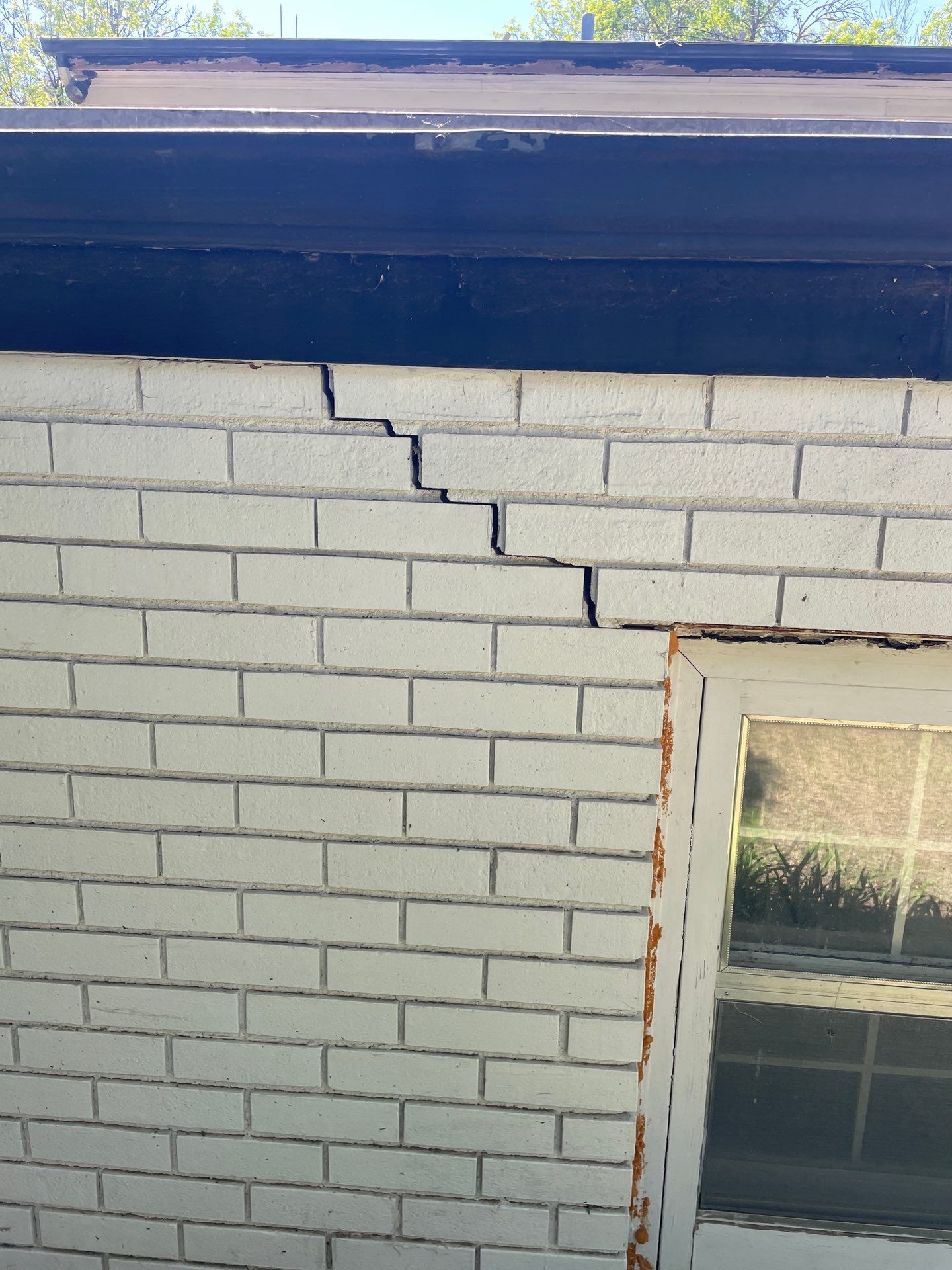
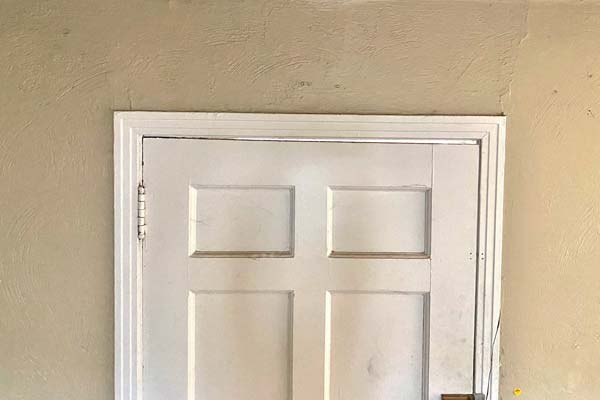
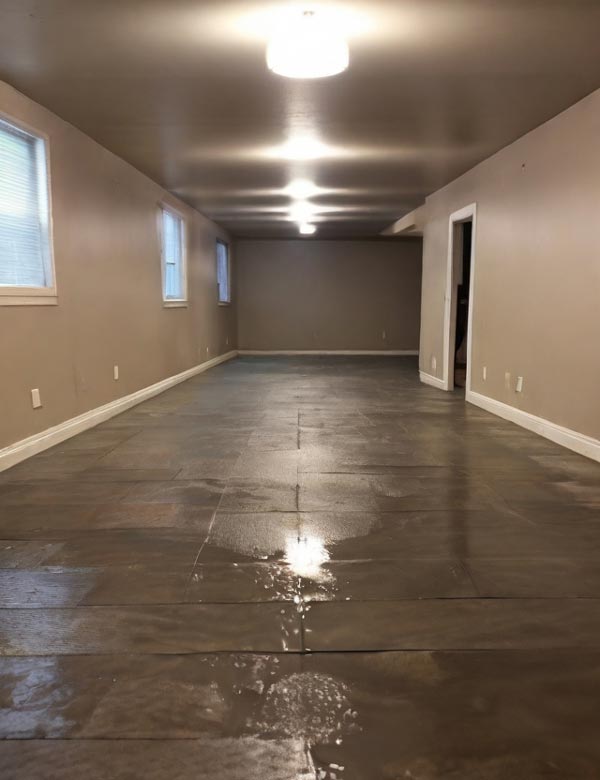
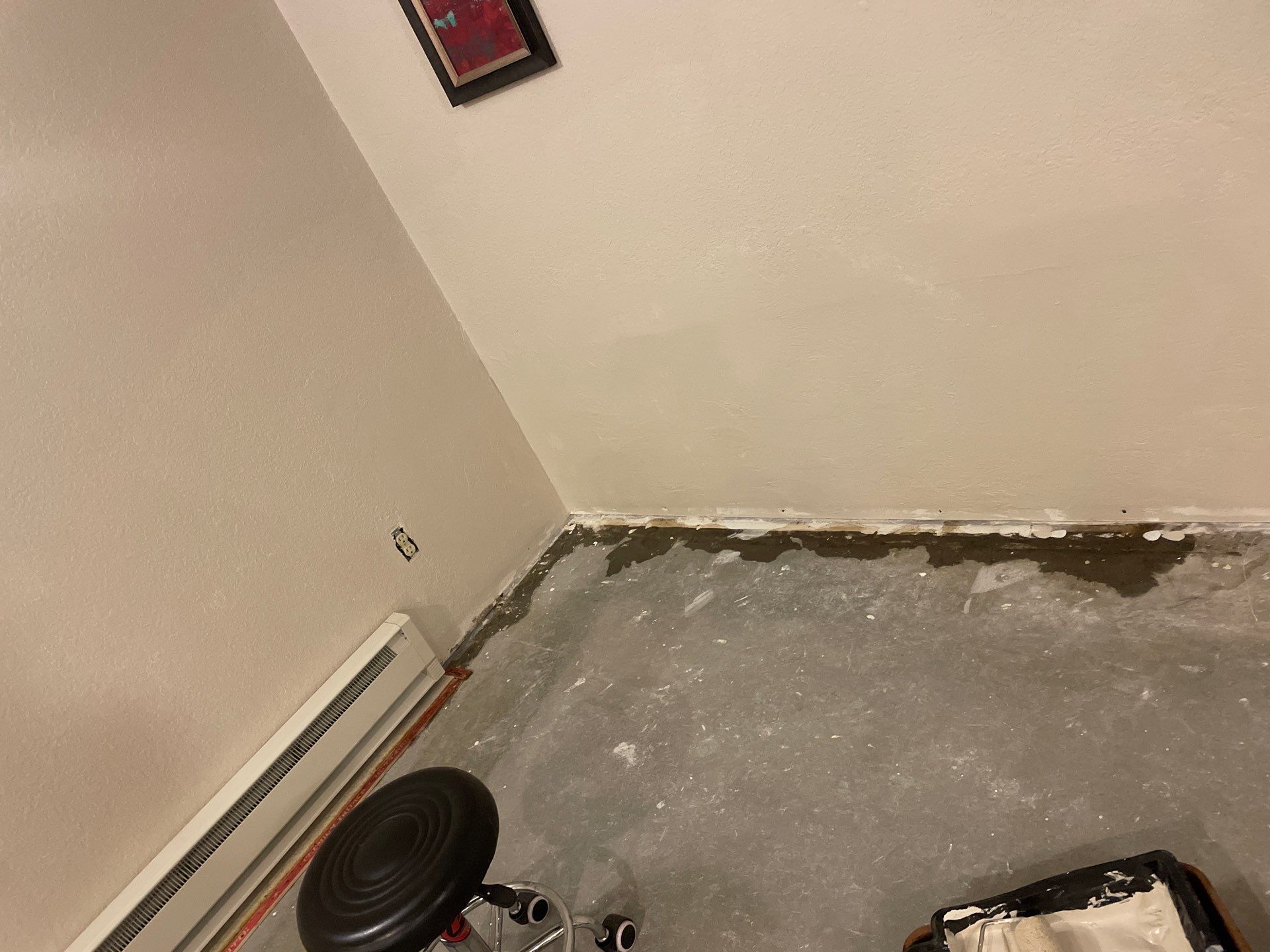
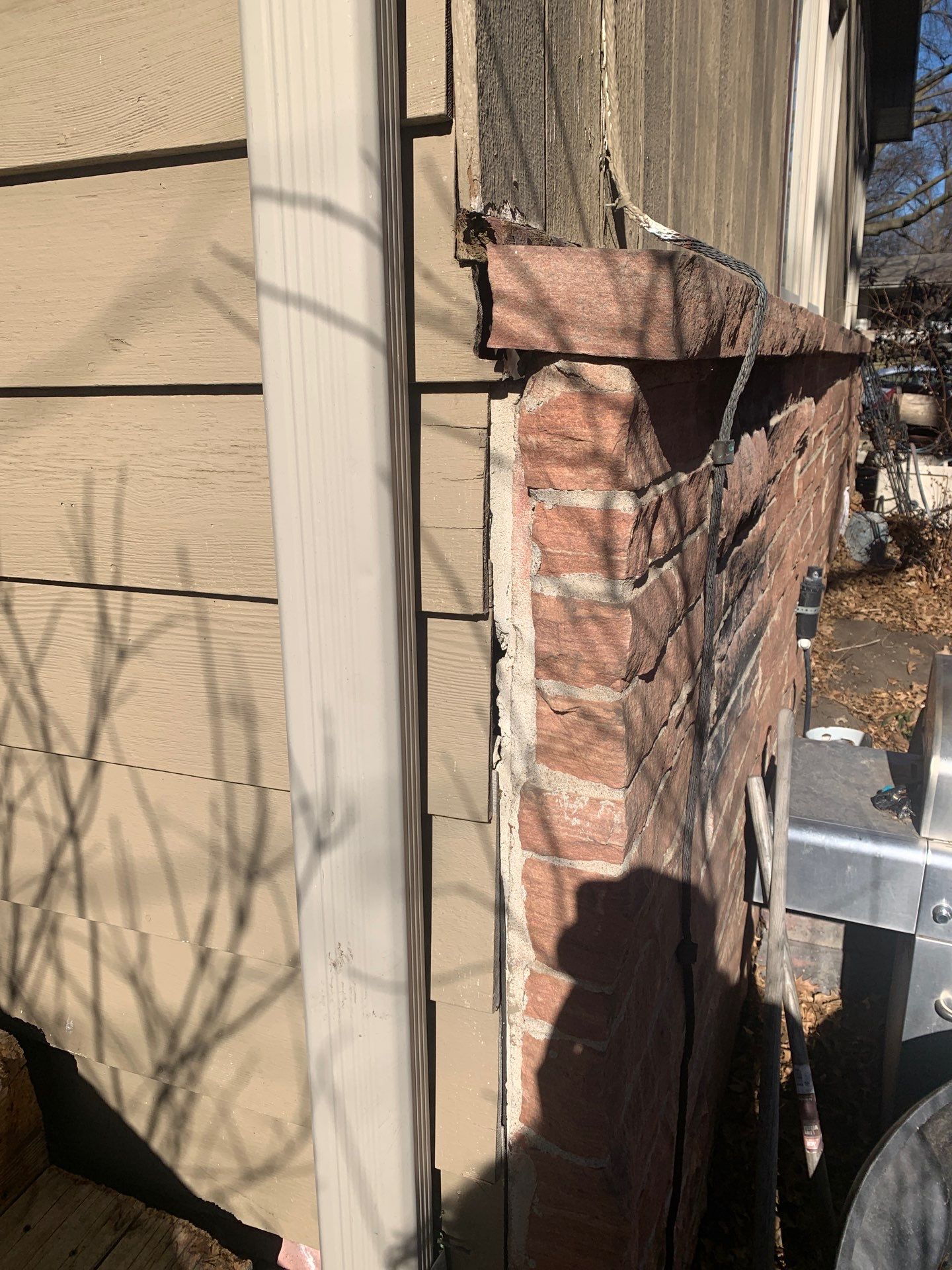
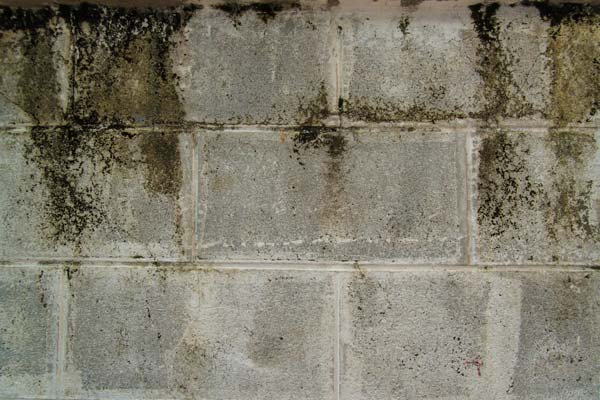
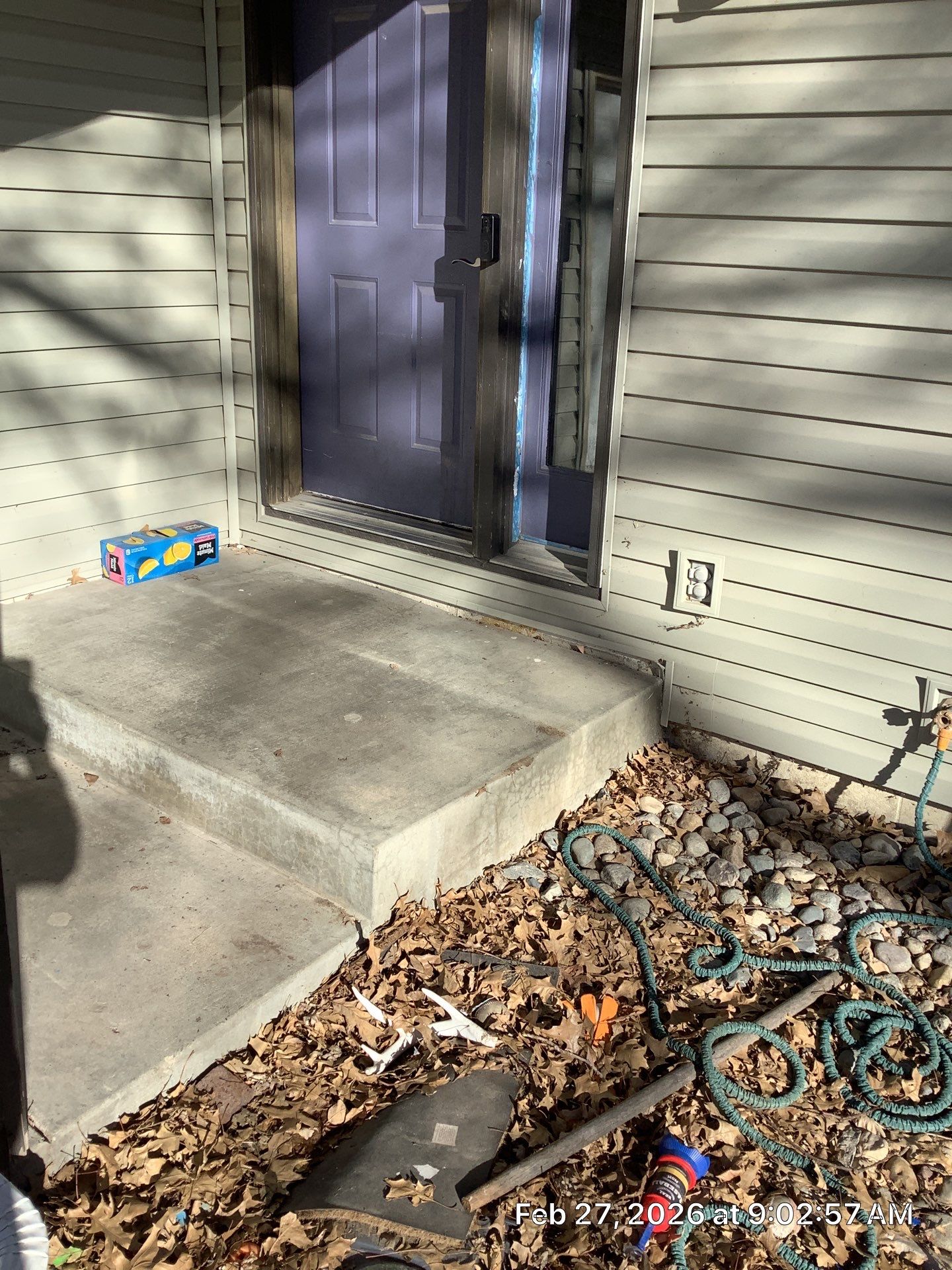
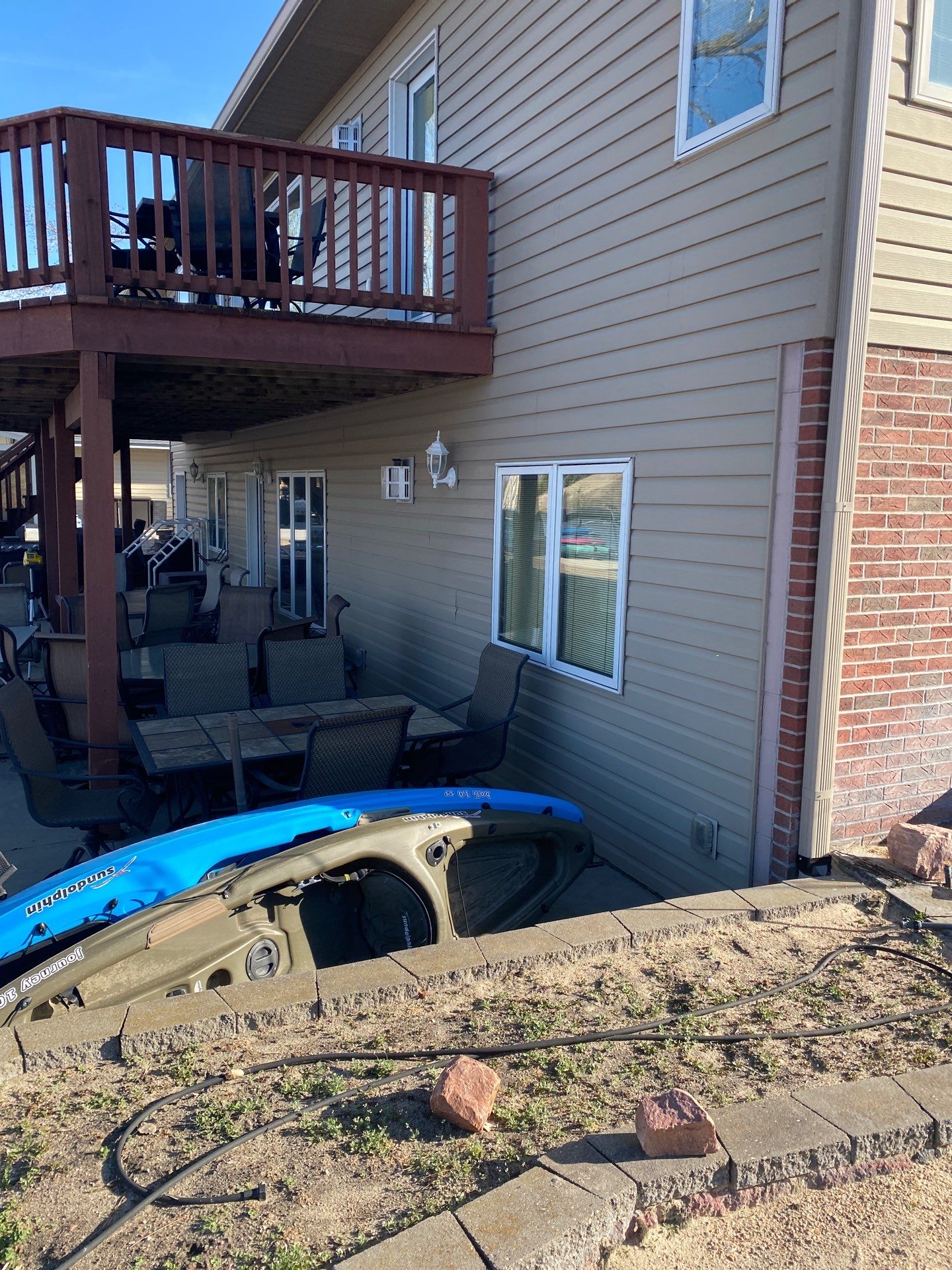
Foundation, water, and structural issues rarely fix themselves. they progress. Recognizing the early signs protects your home and keeps repair costs manageable. The signs below are the most common indicators we see in Midwest homes.

Spotting one of these in your home?

Our specialists evaluate the underlying cause before recommending any work. Inspections are at no cost and there's no obligation to proceed.

"The single biggest mistake I see homeowners make is calling for a quote on lifting before anyone has looked at what's under the slab. The void tells the method. A 4-inch void is one job. A 24-inch column of hydroconsolidated loess is a completely different job with the same name. Pricing without the inspection is guessing, and the guess is wrong about a third of the time."
Dave Epp
Dave Epp
Dave Epp on why Epp Foundation Repair maps the void and the soil profile before quoting a lift, and why mid-soil polyurethane foam injection differs from surface-only methods
Project Photos

Concrete Lifting & Leveling. Before, During & After

Real jobs completed across Nebraska, Iowa, Kansas, and Missouri. Photos sourced directly from our job sites.

Before
Before photo. Lincoln, NE
Lincoln, NE
During
Work in progress. Lincoln, NE
Lincoln, NE
Work in progress. Lincoln, NE
Lincoln, NE
Work in progress. Lincoln, NE
Lincoln, NE
After
Completed work. Omaha, Nebraska
Omaha, Nebraska
Completed work. Omaha, Nebraska
Omaha, Nebraska
Completed work. Omaha, Nebraska
Omaha, Nebraska
Why Choose Epp

Care and expertise from a team that's been doing this since 1994.

Epp Foundation Repair is locally owned and operated, with crews dedicated exclusively to foundation, basement, and concrete work across the Midwest.

Specialized expertise.

Foundation repair, waterproofing, and concrete leveling are our entire focus. not a sideline.

Locally owned since 1994.

Three decades of experience with Midwest soils, basements, and weather conditions.

BBB Integrity Award winner.

Recognized in 2011 and 2016 for ethical business practices and customer transparency.

Warrantied solutions.

Most product solutions carry 10 to 25-year warranties backed by the original installer.

EPP · SINCE 1994

Why hire Epp Foundation Repair.

MEET THE TEAM · 2 MIN
Frequently Asked Questions

Answers to common questions about Concrete Lifting & Leveling.

Don't see your question here? Our team is happy to help. Reach out anytime.

Mudjacking pumps a heavier cement-sand-water slurry through 1.5 to 2 inch ports at roughly 100 pounds per cubic foot, fills large voids with dense material, and runs $3 to $6 per square foot but needs 24 to 48 hours to cure before full load and leaves larger injection holes. Polyurethane foam injection uses two-part expanding foam through 5/8-inch ports at 4 to 6 pounds per cubic foot, expands 15 to 25 times its liquid volume to fill the void and consolidate loose soil, cures to 90 percent strength in 15 minutes, and runs $5 to $25 per square foot. Foam is the default on residential work in eastern Nebraska and western Iowa because the loess soil responds to mid-soil consolidation. Mudjacking is right when void mass justifies the heavier fill or the homeowner prefers it. Epp picks method on the inspection.

Pricing ranges above are general estimates only and are not project quotes. A precise figure is provided on each written estimate after on-site inspection.
Pricing & Scope

Honest pricing & honest limits

Every home is different. The figures below are typical ranges for similar work across Nebraska, Iowa, Kansas, and Missouri. They are NOT a guaranteed quote. A free on-site inspection is required for a written estimate that reflects your specific scope, access, and conditions.

Estimate Only

Approximate pricing

Polyurethane foam injection: $5 to $25 per square foot of slab lifted. Mudjacking: $3 to $6 per square foot. Slab piers: $2,500 to $4,500 per pier installed (typical 2 to 6 pier residential application $5,000 to $27,000). Typical small-residential project (sidewalk, stoop, patio, single garage floor) across methods: $800 to $5,000. Typical driveway section lift: $1,200 to $4,500. Inspection and written estimate: no-cost on-site visit. Written estimate after on-site inspection reflects your scope.

When this isn't the right fix

Don't lift a slab that's cracked beyond repair. Five or more structural cracks, crumbling edges, or 40 percent or more surface spalling means the concrete is end-of-life and lifting buys 2 to 4 years before re-failure. Flatwork contractor replacement is the right scope, and Epp will refer locally. Don't lift a slab without addressing the drainage source. A downspout discharging at the slab edge for ten years creates the void; lifting without extending the downspout or re-grading the area buys a 12 to 24 month repair instead of a 15 year repair. Don't call a lifting contractor for cosmetic surface damage. Paint failure, salt spalling, and staining are mason and decorative concrete contractor scope, not foundation contractor scope. Don't use foam on saturated expansive clay where the soil won't compress further. The inspection identifies the soil before the method is chosen.

Why our estimates are honest

Epp Foundation Repair holds BBB A+ accreditation since 2004 and is a two-time BBB Integrity Award winner (2011 and 2016). Recognition tied directly to declining to quote a lift when the slab is end-of-life, identifying drainage sources before quoting the work, and choosing method by void profile rather than by what's most profitable to install.

More Concrete Repair Services

The full range of our concrete repair work.

Every concrete repair method we install. Sequenced so the soil profile and failure mode determine the fix.

Exterior Concrete Crack Repair

Exterior concrete crack repair from Epp Foundation Repair. Flexible polyurethane sealant on stable cosmetic cracks, foam-lift plus seal when the slab below the crack has settled, and honest hand-off to flatwork when the slab is end-of-life. Driveways, sidewalks, patios, garage floors, and pool decks across NE, IA, KS, and MO since 1994. Different exposure than foundation cracks, different repair method, different scope.

Learn more

Driveway Repair

Driveway repair from Epp Foundation Repair. Settlement lift with mid-soil polyurethane foam or mudjacking, flexible polyurethane sealing on stable cracks, honest coordination with flatwork when sections are end-of-life. Apron-to-street settlement, edge drop, center heave, and base-failure cracking across NE, IA, KS, and MO since 1994. Combined scope: Epp lifts and seals what's salvageable; refers to flatwork what needs replacement.

Learn more

Sidewalk Repair

Sidewalk repair from Epp Foundation Repair. Section lift with mid-soil polyurethane foam to eliminate tripping hazards, concrete grinding on minor offsets, flexible polyurethane sealing on stable cracks, and honest hand-off to flatwork when sections are end-of-life. Tree root settlement, walk-to-driveway joint drop, freeze-heave, and salt deterioration across NE, IA, KS, and MO since 1994. Liability matters. Settled public walks are homeowner exposure in most local jurisdictions.

Learn more

Patio Repair

Epp Foundation Repair lifts settled patio slabs, seals working cracks, and stabilizes the soil beneath outdoor living spaces across Nebraska, Iowa, Kansas, and Missouri.

Learn more

Garage Floor Repair

Epp Foundation Repair lifts settled garage slabs, fills voids under the concrete, and seals working cracks across Nebraska, Iowa, Kansas, and Missouri.

Learn more

Commercial Concrete Repair

Epp Foundation Repair lifts, stabilizes, and crack-seals commercial concrete. Warehouses, retail floors, parking lots, loading docks. Across Nebraska, Iowa, Kansas, and Missouri.

Learn more

Pool Deck Repair

Lifting and stabilizing sunken pool deck slabs with mid-soil foam injection, plus crack and joint repair.

Learn more
Service Areas

Serving Nebraska, Iowa, Kansas & Missouri.

Local crews based in six regional offices, dispatched daily across four states. If your town isn't listed, call us. we likely serve your area.

Top cities we serve
Check Your Service Area
The Process

How we approach Concrete Lifting & Leveling

A straightforward path from initial inspection to completed repairs.

Step 01

Inspect the Slab, Map the Void, Identify the Soil

Differential settlement measured with a rotary laser noting the high point, the low point, and the lift target. Drilling test holes at the suspected low point confirms void depth and soil profile. 4-inch void versus 24-inch loose loess column versus saturated clay each get a different method.

Step 02

Drill 5/8-Inch Injection Ports at 3 to 6 Foot Spacing

Holes drilled through the slab at 3 to 6 foot spacing across the lift area, tightening to 2 to 3 feet near edges, corners, and isolated heavy load points. Standard residential driveway section uses 6 to 15 ports total. Holes clean, dry, and ready for injection within 30 minutes.

Step 03

Inject Mid-Soil with Rotary Laser Monitoring the Lift

Two-part polyurethane injected through each port in turn, starting at the lowest point and working toward the highest. Foam expands 15 to 25 times liquid volume in about 15 seconds, fills the void, and consolidates the loose soil 12 to 36 inches below the slab. The mid-soil distinction.

Customer Reviews

Over 1,750 homeowners have shared their experience.

A 4.9-star average across Google, with verified reviews from homeowners throughout Nebraska, Iowa, Kansas, and Missouri.

Free Estimate

Two ways to start: book instantly, or request an estimate.

Schedule your inspection in seconds with our Driive booking tool, or share a few details and a local specialist will follow up within one business day.

What to expect
  • A local foundation specialist on site
  • A complete walk-through of the findings
  • A written estimate within one business day
  • No cost, no obligation, no high-pressure sales
Prefer to call
402-423-9192
Nebraska · Iowa · Kansas · MissouriSince 1994
Epp Foundation Repair

Let's take the first step toward a healthy home.

A local specialist will inspect your foundation, walk you through the findings, and send a clear estimate. no cost, no pressure.

Book instantly with Driive
BBB Accredited
Fully Insured
"By Your Side" Guarantee
Our Locations

Six regional offices across the Midwest.

See all service areas
Lincoln, NE
Epp Foundation Repair
1133 Libra Dr
Lincoln, NE 68512
402-566-5265
Omaha, NE
Epp Foundation Repair
12305 Gold St, Ste 2
Omaha, NE 68144
402-521-5081
Grand Island, NE
Epp Foundation Repair
802 Bronze Rd
Grand Island, NE 68803
308-303-3944
Norfolk, NE
Epp Foundation Repair
1105 S 13th St, Ste 205
Norfolk, NE 68701
402-792-4092
Clive, IA
Epp Foundation Repair
2175 NW 86th St #14c
Clive, IA 50325
515-349-5562
St. Joseph, MO
Epp Foundation Repair
2400 Frederick Ave, Suite 315
St. Joseph, MO 64506
816-549-2672